
Glassine Food Envelope Bags | Grease‑Proof Envelope Paper Bags for Bakery
Glassine Food Envelope Bags: A Practical Choice for Everyday Food Packaging
Glassine food envelope bags are a straightforward, dependable option for wrapping and storing food. They are made from a smooth, dense paper that has been supercalendered to create a tight, glossy surface. This gives the bags a distinctive look and feel, while also providing practical benefits for a range of food service and retail needs.
If you need a bag that is grease-resistant, hygienic, and easy to use, glassine envelopes are worth considering. They offer a balance of functionality and simplicity that works well in bakeries, delis, coffee shops, and takeout operations.
What Makes Glassine Bags Useful
The main advantage of glassine paper is its resistance to grease and moisture. The dense, smooth surface means oils from food do not soak through the bag easily. This keeps the packaging clean and prevents messes on counters, hands, or other items in a delivery bag.
These bags are also lightweight and compact. They take up little storage space, and their flat design makes them easy to open and fill quickly during busy service. The material is tear-resistant enough for everyday use, yet still soft and flexible, so it can wrap around items without cracking or breaking.
Another practical point is that glassine is a natural, uncoated paper product. It is recyclable and biodegradable in most standard waste streams, which makes it a good fit for businesses looking to reduce plastic use in their packaging.
Common Uses for Glassine Food Envelopes
Glassine food envelope bags are versatile and suit a variety of food items. Typical uses include:
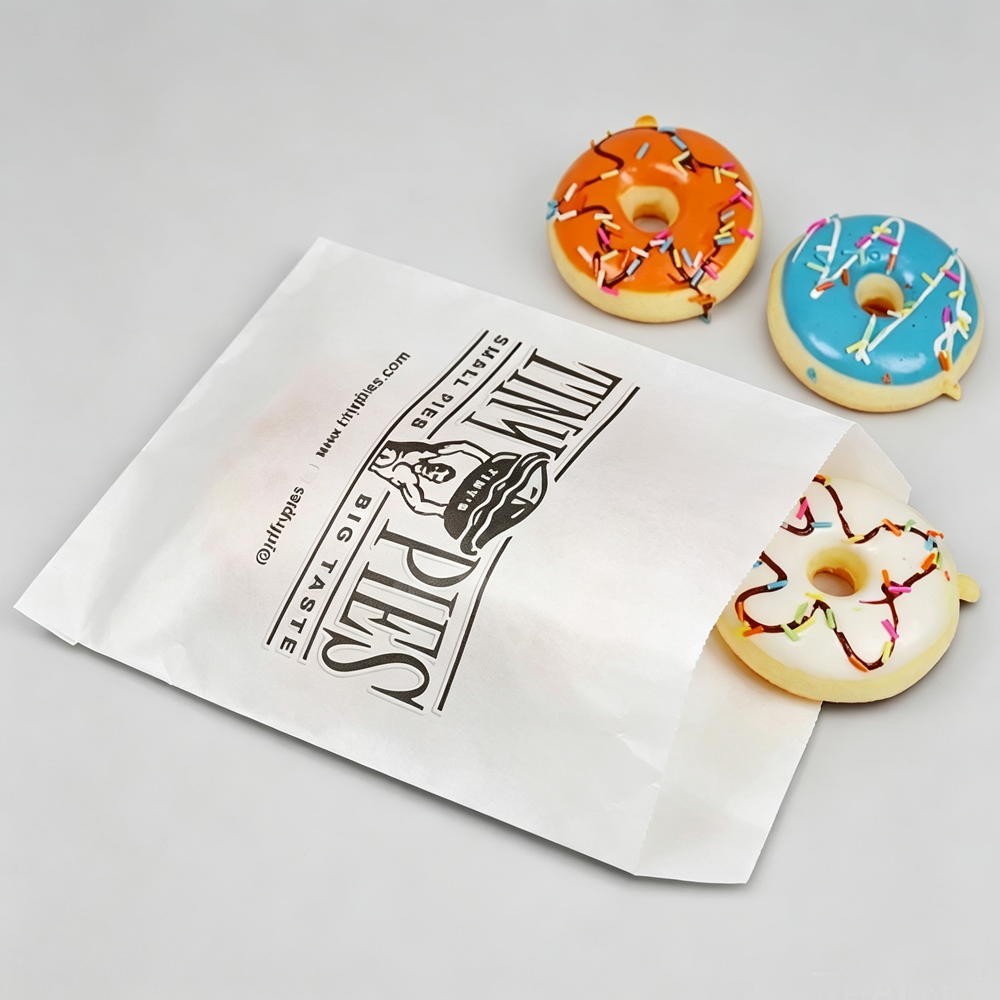
Baked goods like cookies, pastries, muffins, and croissants
Deli items such as sandwiches, wraps, and sliced meats
Candy, chocolates, and other confectionery
Nuts, dried fruit, and trail mix
Small portions of loose items like coffee beans or tea leaves
Takeout sides and snacks
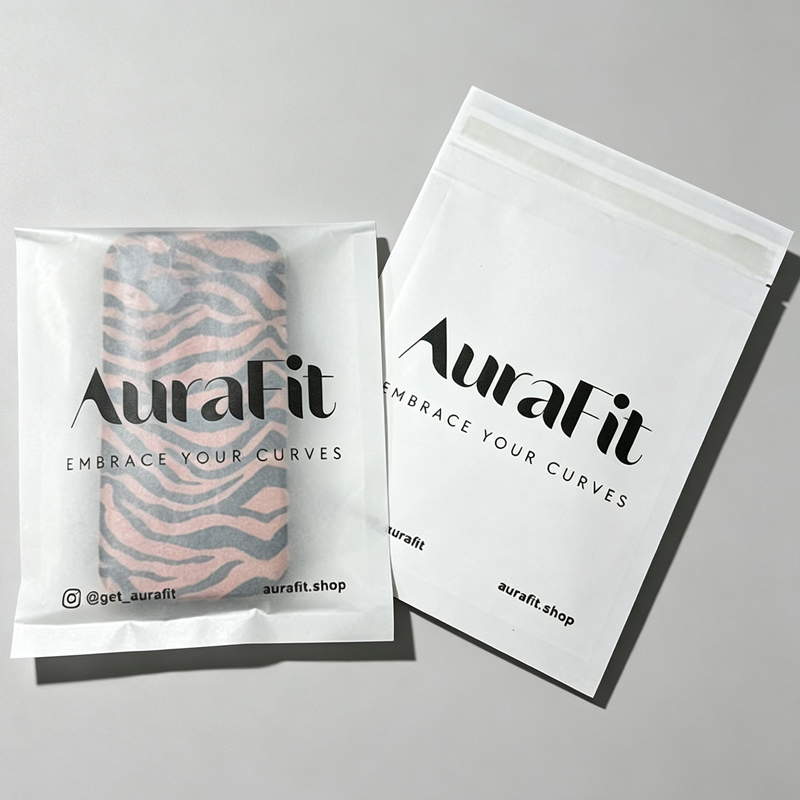
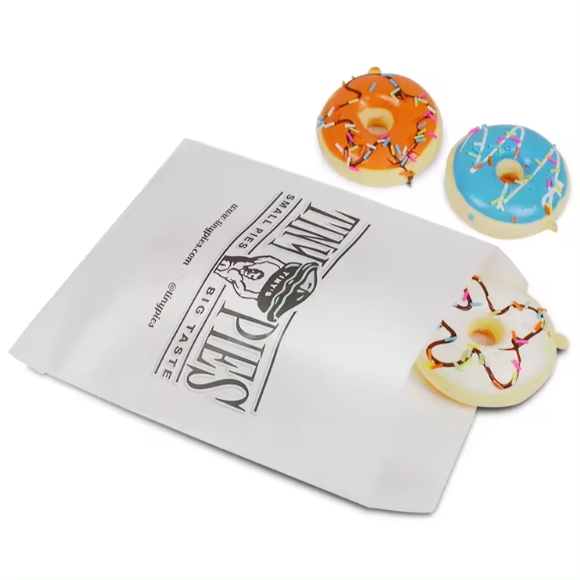
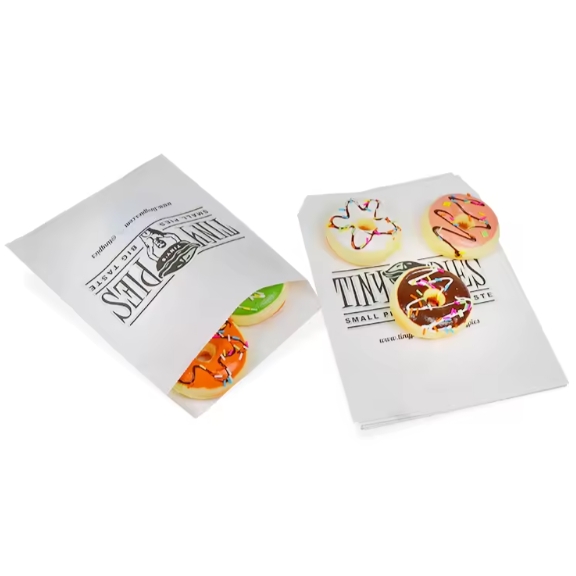
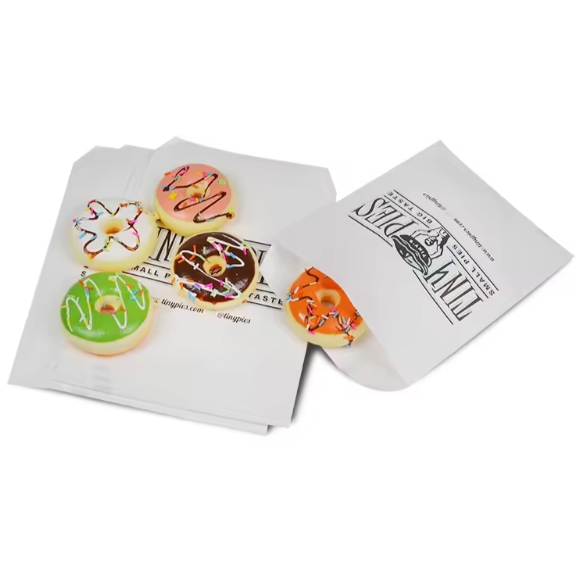
Because the bags are clear or translucent, they let customers see the contents inside. This is helpful for retail displays and for quick identification when packing multiple orders.
Sizes and Formats
Glassine envelope bags come in a range of sizes, from small pouches for individual candies to larger envelopes for sandwiches and bakery items. Most have a simple flat top or a fold-over flap with a peel-and-seal strip. The self-seal option is convenient for keeping food fresh and preventing spills during transport.
Some bags have a straight top edge, while others feature a pointed or V-shaped bottom. The V-bottom design allows the bag to stand upright when filled, which makes packing and displaying easier. Both styles are common, and the choice mostly comes down to personal preference and the type of food being packaged.
Considerations When Choosing Glassine Bags
Glassine is not fully waterproof. It resists grease and light moisture, but it is not suitable for wet or very juicy foods. For items with high liquid content, a coated or laminated paper bag would be a better option.
Also, glassine bags are not heat-sealable in the same way plastic bags are. If you need a hermetic seal, you would need to use a different material or an additional closure method. For most bakery and deli applications, the fold-over flap or self-adhesive strip provides enough closure.
When buying in bulk, check the basis weight of the paper. Heavier glassine (around 40 to 50 grams per square meter) offers more durability and better grease resistance, while lighter weights are more economical for short-term use.
Practical Tips for Using Glassine Envelopes
To get the most out of glassine food envelope bags, keep a few things in mind:
Store them in a dry, cool place to prevent moisture from softening the paper.
Open the bag fully before placing food inside to avoid tearing the edges.
Do not overfill; leave some room to fold or seal the top properly.
For oily items, consider double-bagging or using a heavier weight glassine.
With proper handling, these bags provide clean, reliable packaging for a wide range of food products. They are a simple, cost-effective choice that keeps food presentable and protected without adding unnecessary bulk or waste.
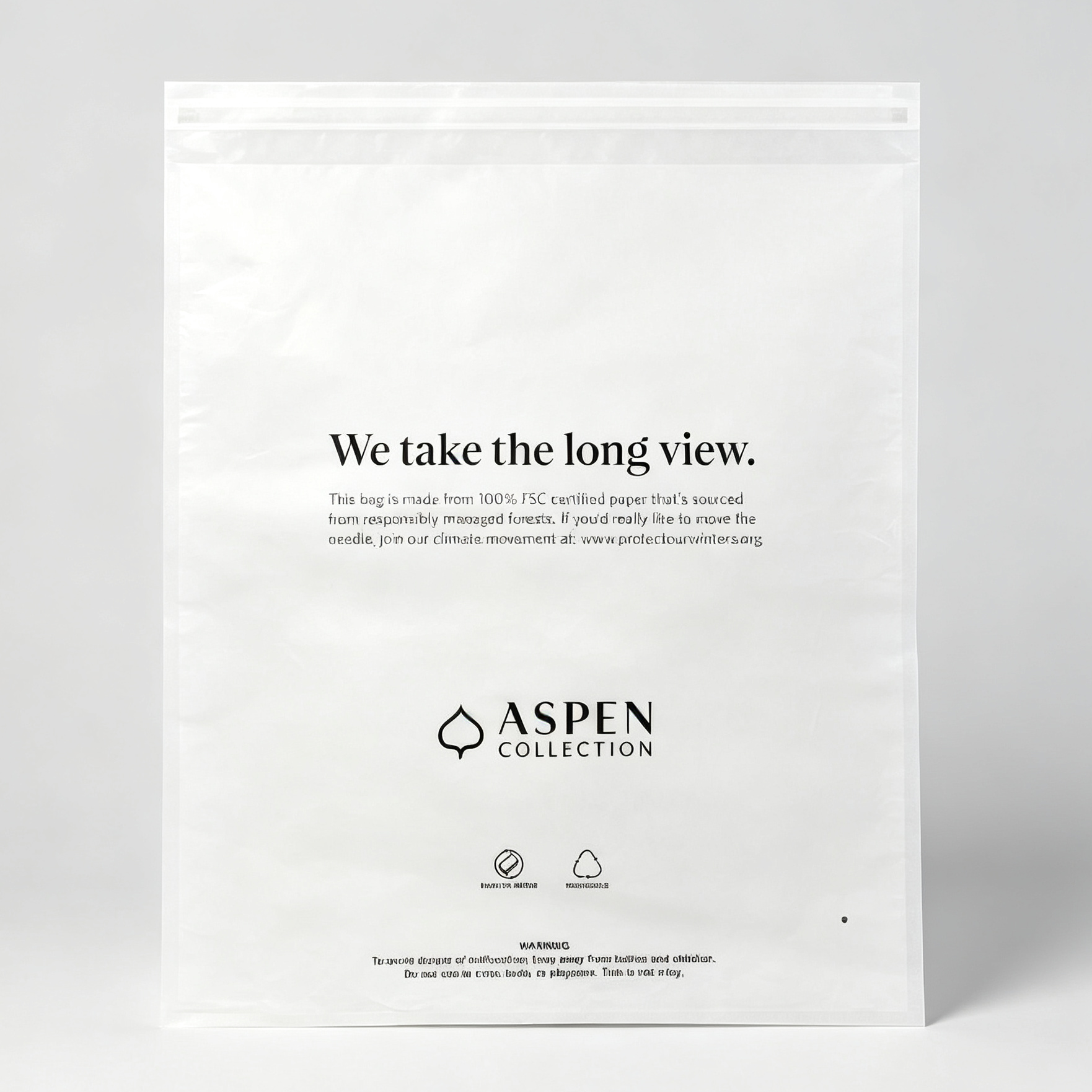
Glassine Bags are an innovative plastic-free wholesale solution for internal packaging and a curbside recyclable alternative to a clear poly bag. The smooth and toothless paper ensures no fibers transfer onto your goods, yet they are durable enough for your supply chain - from manufacturer to distribution center to customer.
glassine bags is characterized by dense, uniform texture, good internal strength and light transmission. It is a common material for making packaging bags, especially suitable for clothing packaging.
Glasin paper with high temperature, moisture, oil and other functions, generally used in clothing, food, electronics, home gifts and other industries packaging.In packaging products, the commonly used Glassine paper weight is 40g, 60g, 80g and so on.
| Material | 100% FSC® certified virgin paper fiber FSC MIX Packaging - FSC® C190100 |
| Thickness | 30gsm, 35gsm, 40gsm, 60gsm, 80gsm, 100gsm |
| Material Features | No silicone additives/coatings No poly additives/coatings Acid-free (pH ranging from 7-9) FDA-Compliant for direct food contact |
| Functionality | Self-seal, resealable adhesive closure Hidden vent slits Side seams Flat construction |
| End-of-Life | Curbside recyclable with paper Naturally biodegradable |
| Origin | China, Italy, India, Vietnam, Bangladesh or the US |
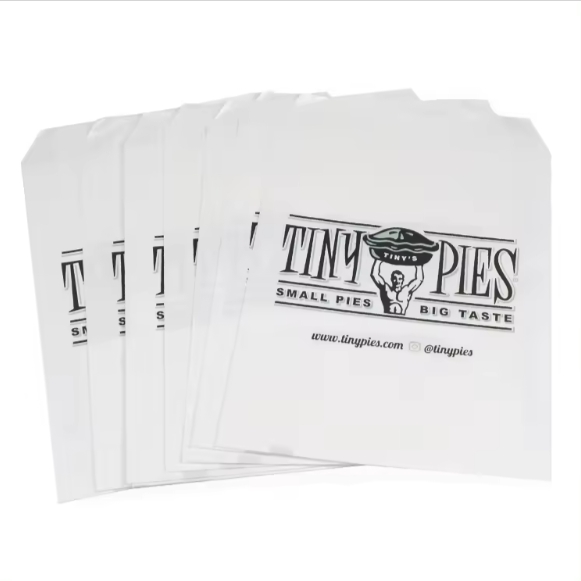
| Bag Color | White, translucent |
| Print Color | Pantone Color Matching System (PMS) |
| Ink Type | HydroSoy or Algae Ink™ |
| Print Process | Flexographic |
| Print Option | Post-production: 1-sided, 1-color Inline: custom printing, additional sizes, vendor drop shipping, and more - request quote |